How Fundamentals Help More Than TV and Film Makeup Courses?
It’s easy to assume that TV and Film Makeup Courses are the fastest way into on-screen work. The name itself suggests a direct path into the industry. For many students, that makes specialization feel like the logical first step.
But this approach can lead to confusion early on. Film and television work may look different from everyday makeup, yet it is still built on the same base techniques. When those techniques are not fully understood, specialized training can feel harder than it needs to be.
This is why many artists who succeed in this space do not rely only on niche training. They rely on strong fundamentals that allow them to adjust their work in any setting.
What Students Expect From Makeup Courses for TV and Film
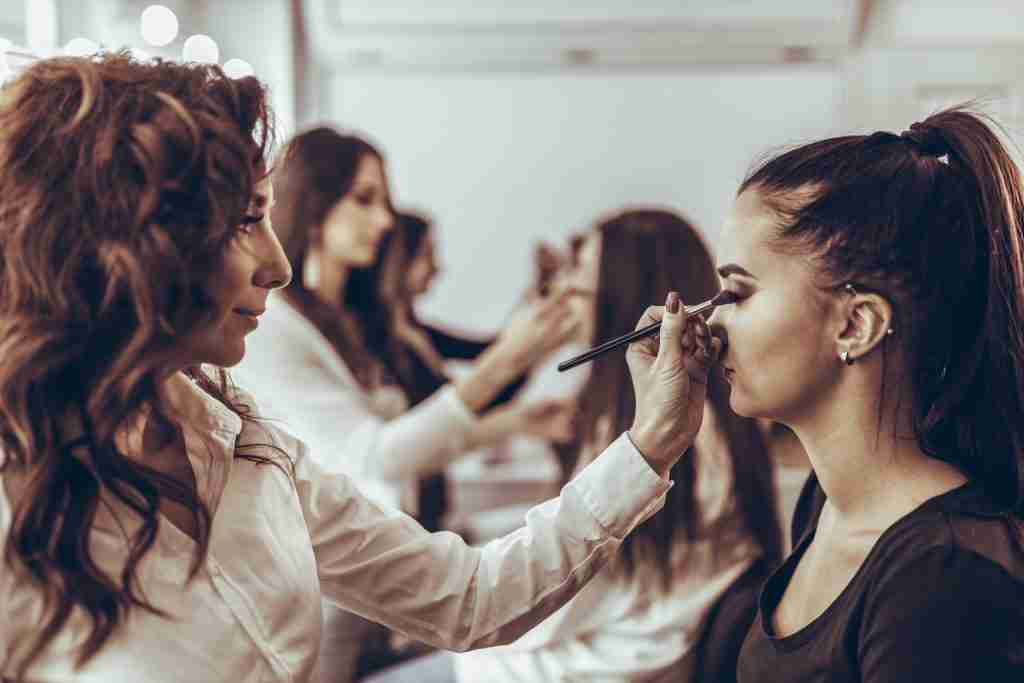
Most Makeup Courses for TV and Film focus on how makeup appears under lighting and how it holds up during long shoots. Students may learn about continuity, camera angles, and how different products react on screen.
These elements are important. However, they are not useful without control over the basics. If blending is inconsistent or product placement is uneven, camera awareness alone will not fix the result.
Students often expect these courses to transform their skills quickly. Instead, they sometimes discover that gaps in their foundation become more visible under these conditions.
Why Fundamentals Carry More Weight
The difference between average work and consistent results comes down to control. Fundamentals build that control over time.
Understanding skin preparation allows makeup to last through long hours. Knowing how to blend properly helps avoid harsh lines that become obvious on camera. Being confident with product selection ensures the look holds under different lighting setups.
These are not advanced techniques. They are basic skills done well.
When students focus on these areas first, they find it easier to handle the demands of both TV and Film Makeup Courses and real on-set work.
The Gap Between Knowing and Applying
There is a difference between learning a concept and being able to apply it under pressure. Makeup Courses for TV and Film often introduce new conditions, such as bright lighting or long shooting schedules.
Without strong fundamentals, these conditions can make simple tasks feel complicated. The foundation may appear uneven. Blending may not translate well on camera. Small mistakes become more noticeable.
Students who already have control over their technique handle these situations differently. They adjust quickly because they understand what they are doing, not just how to do it.
Why Rushing Into Specialization Slows Progress
Jumping straight into TV and Film Makeup Courses can create the impression of progress, but it can also slow long-term development. Students may spend more time trying to keep up than actually improving.
When the focus is on advanced environments too early, the basics do not get enough attention. This leads to repeated mistakes that are harder to correct later.
A slower, more focused approach allows students to build confidence step by step. Once the fundamentals feel natural, moving into specialized training becomes far more effective.
Building Confidence That Holds Under Pressure
Working on a set requires more than technical ability. It requires confidence. There is limited time, multiple people involved, and high expectations for consistency.
Students who rely only on structured steps may hesitate in these situations. Those who understand fundamentals tend to stay calm and focused. They know how to adjust without needing constant direction.
This confidence comes from practice and understanding, not from completing a specific type of course.
Focus on What Builds Real Ability
Choosing between fundamentals and specialization is not about rejecting one for the other. It is about timing. Strong basics make every form of training more effective.
Students who invest in their foundation first often find that Makeup Courses for TV and Film become easier to follow and more valuable when they take them later.
The goal is not to collect course titles. It is to build skills that remain consistent across different environments.
Start With Skills That Work Everywhere
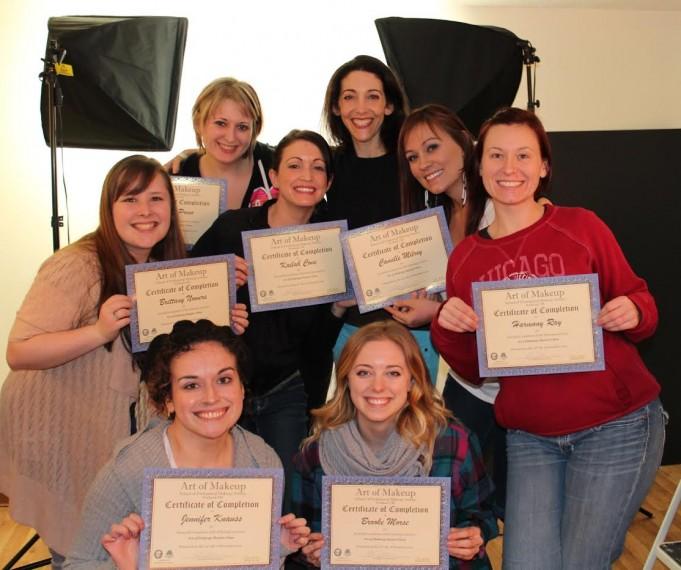
The Art of Makeup focuses on helping students build control, consistency, and confidence through structured fundamentals. Instead of dividing learning into narrow categories, the training prepares students to adapt their skills to any setting, including film and television.
If you want to step into TV and Film Makeup Courses without feeling behind, The Art of Makeup gives you a starting point that makes everything else easier to understand and apply.