How to Choose Makeup Workshops Near Me That Actually Build Technique
Searching for makeup workshops nearby can lead to everything from relaxed beauty events to serious skills training. If your goal is stronger technique, the difference matters. A class can be fun without teaching you how to improve blending, placement, product control, sanitation, or artistic decision-making.
Technique-focused training should give you more than a finished look to copy. It should explain why each step works and how to adapt it for different faces, skin types, and goals. The Art of Makeup School focuses on practical education that helps aspiring artists develop repeatable skills.
Look Beyond the Demo at Makeup Workshops Nearby
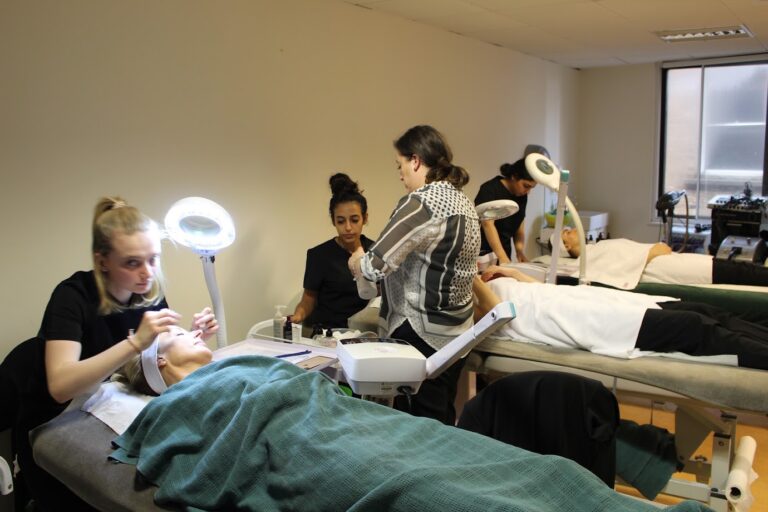
A polished demonstration can be useful, but watching alone does not build muscle memory. Strong workshops give students time to work, make corrections, and repeat techniques while guidance is available.
Before enrolling, check whether the schedule includes real application time. Good makeup workshops nearby turn instruction into participation, allowing students to practice brush control, complexion work, eye placement, or another defined skill.
Choose Professional Makeup Workshops Nearby with Clear Objectives
A quality workshop should tell you what skill you will leave knowing better. Broad promises reveal less than descriptions naming specific techniques, products, or application goals.
Useful objectives may include:
- Preparing skin for different finishes
- Matching complexion products accurately
- Improving blending and edge control
- Understanding face and eye shapes
- Working with color and placement
- Practicing hygienic working habits
The Art of Makeup School builds instruction around fundamentals that can support beauty, fashion, film, and other areas of artistry.
Ask How Makeup Workshops Nearby Handle Feedback
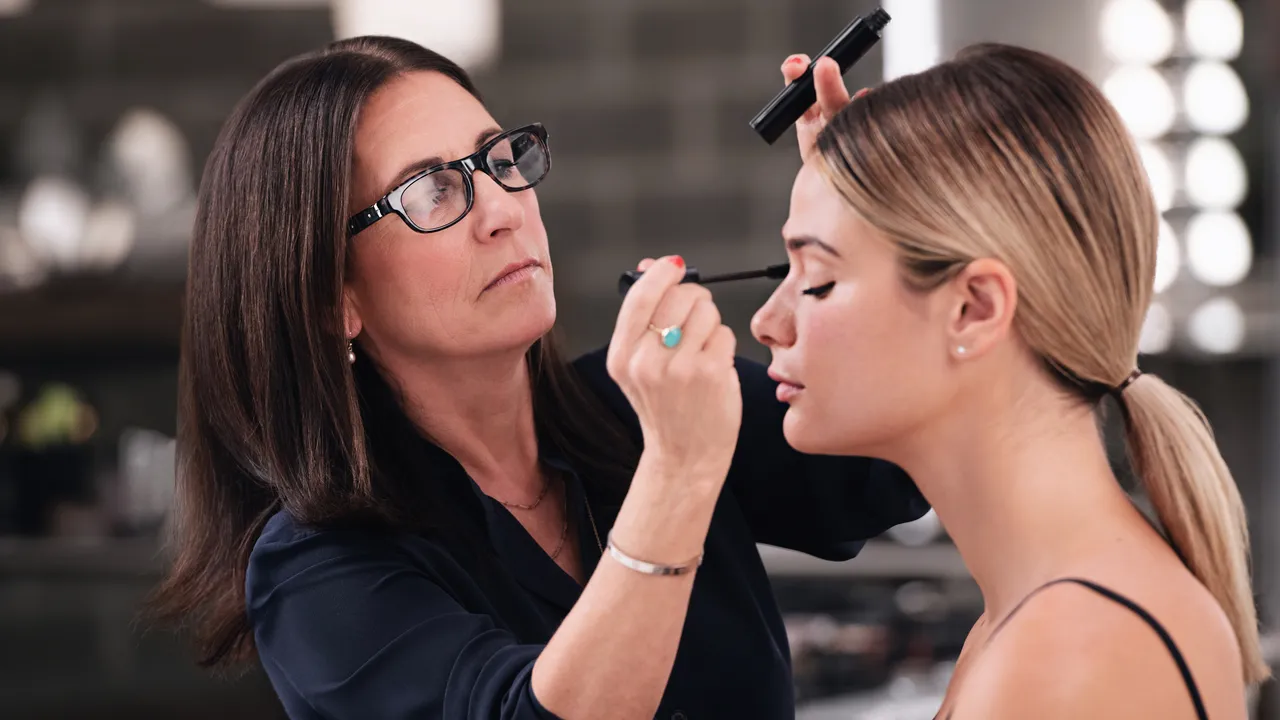
Feedback is one of the clearest differences between a casual class and serious instruction. Students need observations about what works and what should change.
Ask whether instructors circulate during practice, correct technique, and explain adjustments. Immediate feedback lets you test a correction while you are still working.
Evaluate the Instructor’s Working Experience
Technique becomes easier to understand when an instructor has industry experience. Check backgrounds and whether teaching reflects expectations around timing, sanitation, product choices, and client work.
What Should Professional Makeup Workshops Nearby Provide?
Good instruction needs structure. Before registering, find out what is included and how the class is organized.
Look for:
- A defined lesson plan
- Demonstration followed by supervised practice
- A manageable class size
- Suitable products and tools
- Time for technical questions
- Feedback that explains mistakes
When comparing professional makeup workshops nearby, these details help separate skill-focused education from classes designed mainly as social experiences.
Make Sure the Workshop Builds Transferable Skills
A strong class should teach principles you can reuse. Understanding undertones supports complexion work, eye-shape analysis improves placement, and pressure control strengthens blending. The Art of Makeup School emphasizes foundations students can keep practicing after class.
Compare Value by Learning, Not Entertainment
Price, location, supplies, and atmosphere matter, but they should not replace educational value. Consider guided application time, personalized feedback, and whether the content fits your current skill level.
A casual class can suit recreation. For serious development, choose training that expects you to practice, think, adjust, and improve.
Turn Practice into Technique That Lasts
A worthwhile workshop should leave you with repeatable methods, clearer standards, and a better idea of what to improve next.
Choose professional makeup workshops nearby by putting instruction quality before shortcuts. Build sharper habits, stronger judgment, and adaptable skills with guidance from The Art of Makeup School, then carry those techniques confidently into future applications.
FAQ’s
Q1: Are workshops suitable for complete beginners?
Yes. Beginner-friendly sessions should explain tools, hygiene, products, and essential application methods before moving into detailed techniques.
Q2: How long should a useful workshop last?
Length varies. What matters is enough time for demonstration, practice, questions, and instructor feedback.
Q3: Should I bring my own makeup kit?
It depends on the program. Check the supply list so you know what is provided and what to bring.
Q4: How can I tell whether a class is advanced?
Review prerequisites, lesson objectives, techniques covered, and the experience level expected before registering.
Q5: Can one workshop improve my skills significantly?
Yes. Continued improvement usually depends on repeating techniques, applying feedback, and practicing consistently.